Restorative Justice and Generational Harm
I was recently at a disability conference where my colleagues were introducing the results of a pilot project where we were inviting the general public into deeper engagement with one. single. person. with a disability in some natural way.
The presenter before them was an artist who also had a disability, who surprised everyone in the room with her introduction:
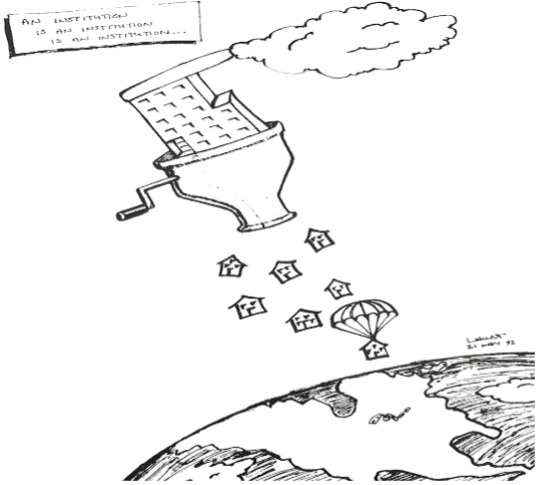
“I was sent to an institution, and I’m here to tell you, if you are thinking about sending your loved one to an institution, don’t do it. Bad things happen to people in institutions. Please don’t ever send anyone you love to an institution.”
The room was so quiet.
I kept thinking about how many of Ohio’s taxes had gone to institutions that did horrible things to people. And some of those tax dollars had also gone to make something better possible, through our new work.
“Restorative Justice” is one way to go about righting a wrong. Instead of sending someone to jail, giving out fines, putting a kid in timeout, spanking or suspending them from school – the person who did the wrong has a plan developed by which they make it right, and also learns responsibility for their actions and empathy for others. The goal is to help heal all parties and possibly lead to a better future state than if a more traditional form of punishment was involved.
But what if the perpetrators and victims are long gone? What if the people doing the harm did it with the resources of the people of the state we live in? What if we didn’t even know the harm was being done?
We can look to the principles of restorative justice for our answers.
One official definition involves these key principles and practices:
- Accountability: Offenders are encouraged to take responsibility for their actions and understand the impact of their behavior on the victim and the community.
- Repair and Reconciliation: Focus is on repairing the harm caused by the wrongdoing and promoting reconciliation between the victim, offender, and community.
- Community Involvement: The role of the community is emphasized in addressing harm and supporting victims and offenders.
- Dialogue and Communication: Conversations and dialogue are at the core, allowing all parties to share their perspectives and work towards a solution.
- Voluntary Participation: All parties in the process willingly take part in it, including the victim and offender.
- Flexibility: Adapting the approach to different situations and communities.
I could see shades of our new work in these principles. We weren’t the people who hurt that artist, but we were using the same tax dollars in a new, restorative way. And it seems like a good way to think about doing better by people with disabilities than our ancestors in our state did.
So how do we implement this as people repairing generational harm? How do we move forward for a better present and future without getting stuck in arguments about the past? What else can we do to heal all of these wounds and prevent them from recurring?